
Background:
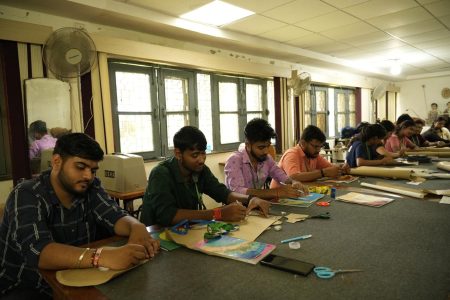
College of Community Science, Dr. Rajendra Prasad Central Agricultural University earlier known as College of Home Science, Rajendra Agricultural University (RAU) was established in 1982 to foster growth, development and well-being of individuals/families/community residing in the State of Bihar. It caters to the present-day needs of education in order to meet the rapidly changing demands of family life and the multiple roles that woman has to play in home as well as in professional life. Through its integrated programme of teaching, research and extension, the College grew rapidly, playing a significant role in improving the socio-economic conditions of rural as well as urban families, thereby, giving them opportunity to have a better quality of life.
Realizing the changing job scenario, the institution upheld the 6th Dean’s Committee of ICAR recommendation in line with guidelines of NEP-2020, Undergraduate B.Sc. (Hons.) Community Science is four years degree programme consisting of three years of general orientation in all the five subjects of Community Science along with skill trainings for two years for award of Certificate and Diploma, six months of specialization/Elective courses and another six months of Hands-on experience in the area of specialization chosen by the students. Students Ready Programme includes Experiential Learning and Rural Agricultural Work Experience, In-plant Training /Industrial Attachment.
The College initiated Post Graduate programme in Food and Nutrition and Extension Education and Communication Management in 1999. The PG programme in Resource Management and Consumer Science has been started in 2014 whereas PG in Apparel and Textile Science was started in 2020. The Ph.D. programme in Food and Nutrition was also started in the year 2020. Thus, the College of Community Science, Pusa continues its journey of excellence with its mandate and mission of improving life of community people through education, research and extension. Presently, a new four-year B.Sc. (Hons.) degree programme in Food Nutrition and Dietetics has been started from the academic year 2024-2025.
MISSION:
- To provide programme of instruction and training towards fulfilling the need of rural families/ communities.
- To build up postgraduate programme for preparing competent professionals to function as professor / scientist.
- To promote analytical abilities among students towards innovative research to augment the quality of life of family and community in the changing scenario.
- To enhance entrepreneurial skills for self-employment and income generation.
GOALS:
- Enhance the quality living of individuals in general and rural or urban families and communities in particular through teaching, research and extension activities.
- Develop technologies and carry out advance research for academic as well as farm families for the prosperity and advancement of the society.
- Service support to industries and communities that would help them to become better resource managers and contribute towards sustainable development goal.
Objective:
- Providing programme of instruction and training towards fulfilling the need of rural families.
- To build up postgraduate programme for preparing competent professionals to function as Teacher/Scientist/ Extensionist.
- To promote analytical abilities among students towards innovative research to augment the quality of life of family and community in the changing scenario.
- To enhance entrepreneurial skills for self-employment and service support to industries.
- Transfer of technology from Institution to Community for better living.
College of Community Science has Five Departments with Qualified Faculties-
- Apparel and Textile Science (ATS)
- Food Science & Nutrition (FSN)
- Resource Management and Consumer Science (RMCS)
- Human Development and Family Studies (HDFS)
- Extension Education and Communication Management (EECM)
Research
On-going Research Project:
S. No. | Title of Projects | Funding Agency | PI and Co-PI | |
All India Coordinated Research Project (AICRP) | ||||
1. | AICRP on WIA
| ICAR- New Delhi | Dr. Sangeeta Deo (PI) Dr. Veena Shahi (Co-PI) Dr. Savita Kumari (Co-PI) Dr. Geetanjali Chaudhary (Co-PI) Dr. Neelam Kumari (Co-PI) | |
External Funded Project | ||||
1. | Management of Early Childhood Development through promotion and care practices in aspirational districts of Bihar. | UNICEF | Dr. Usha Singh | |
2. | Enhancing income of farmers through value chain development of Millets in Samastipur district in Bihar | NABARD | Dr. Neelam kumari | |
University Funded Project | ||||
1. | Estimation of sulphur content of cruciferous vegetables and its possible uses as natural preservative. | University Funded | Dr. Kumari Sunita | |
2. | Addressing Malnutrition among Rural Population through Digital Behaviour Change Intervention (DBCI) | University Funded | Dr. Kumari Shipra | |
3. | Development of moringa leaves and millet based multipurpose flour for reduction of anaemia among children | University Funded | Dr. Savita Kumari | |
4. | Assessment of physical and psychosocial well-being of elderly population in aspirational districts of North Bihar | University Funded | Dr. Veena Shahi | |
5. | Formulation of millet based resistant starch rich food and its evaluation for hypoglycaemic effect among diabetics | University Funded | Dr. Gitanjali Chaudhary | |
6. | Assessment of early childhood education on growth and development of preschool children of farming community | University Funded | Dr. Seema Pradhan | |
7. | Ergonomic Intervention in the Workplace of Mithila Painting for Increasing Work Efficiency. | University Funded | Dr. Shishir Kala | |
8. | Enhancing dietary diversity and livelihood status among banana growers’ community through value chain management | University Funded | Dr. Mala Kumari | |
MoU Signed between CCS, RPCAU, Pusa & other Agencies
S. No. | Agencies | Aspects |
1. | UNICEF | Stop Stunting in Bihar |
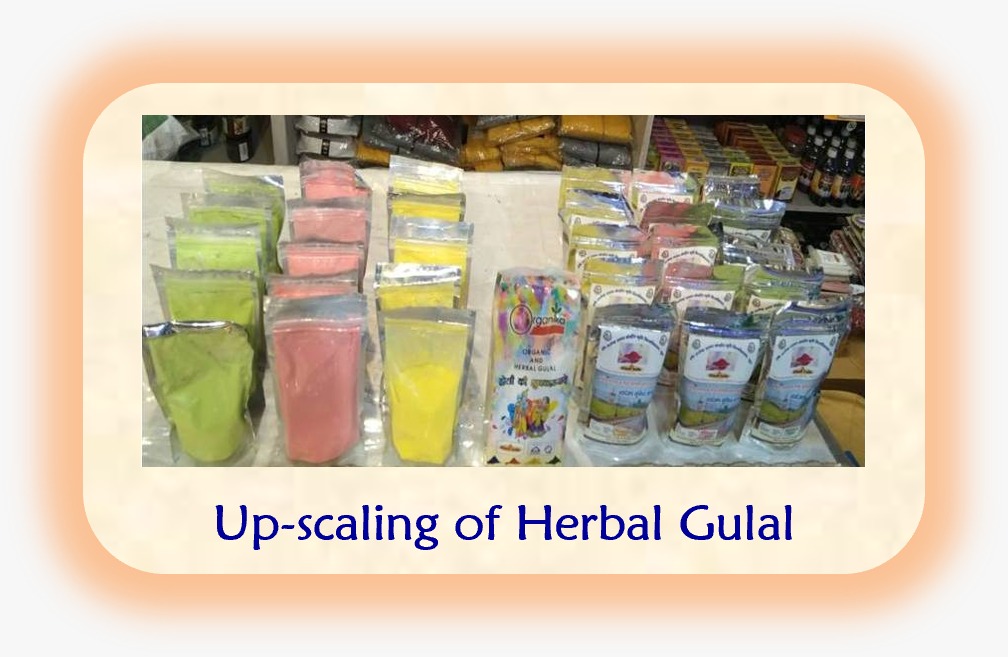
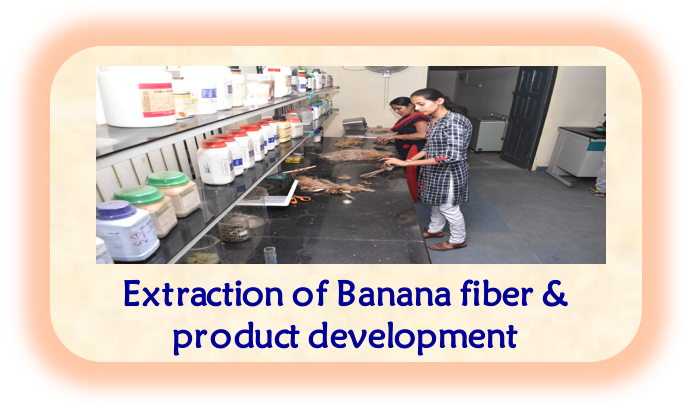
2. | Khadi India | Herbal Gulal & Banana Fibre Products |
3. | M/s Kishan Agro, Bihar Sharif (Nalanda), Bihar | Production & Commercialization of Hand-cranked Improved Chakki |
4. | M/s Binod Engineering, Bihiya (Bhojpur), Bihar | Production & Commercialization of Electric Okhali |
5. | Project Concern International (PCI) | Hands on training on Nutri-food and its adoption as enterprise by JEEViKA group |
6. | PATH (Program for Appropriate Technology in Health), New Delhi | Technical Support Unit formation-Rice fortification programme |
Machine Developed
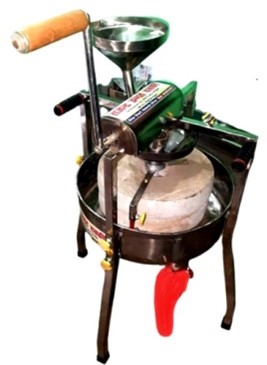
Hand Cranked Improved Chakki |
| |
Salient Features : The machine is manually operated with provision of gap adjustment between two stones fitted for grinding the grains. The machine has specialty in respect of movement of stones and works in the fashion similar to traditional chakki. The machine is provided with a hopper, grain collector, feeding port, bevel gear assembly, frame and product collecting pan. It can be operated in standing posture or by sitting on chair with less drudgery. The machine is very much suitable for preparation of dal, dalia, suji, aata, besan and sattu. The quality of dal produced by the machine is excellent and the machine has potential for commercial use by the small farmers. | ||
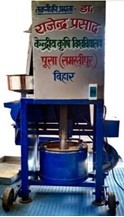
| Electric Mortar & Pestle (Okhali) | |
Salient Features : The machine is electrically operated and it is fitted with 1.0hp single phase motor for its compatibility of use in houses. The machine is comprised of a wooden mortar, metallic pestle, frame, hopper, blower and sieve arrangement so that selling of grain and its cleaning may be completed by this machine. The mortar of machine is fitted with a pair of agitator that revolves at uniform speed inside the mortar with the help of ring gear so that thrust created by the pestle may get distributed uniformly over the grains for better output and satisfactory work. The capacity of machine is 8-10 kg/h in rice, 8-12 kg/h in wheat and 1.75-2.0 kg/h for barnyard millet. It has the ability to complete all works that are usually performed by the traditional Okhali. | ||
Patents
| | |
Hand Cranked Improved Chakki | Electric Mortar & Pestle (Okhali) | Energy-Dense Nutritive Food |



Research Activity and Achievement
Development of technology for the commercial preparation of Herbal Gulal
| Development of Banana Fibre Products
|
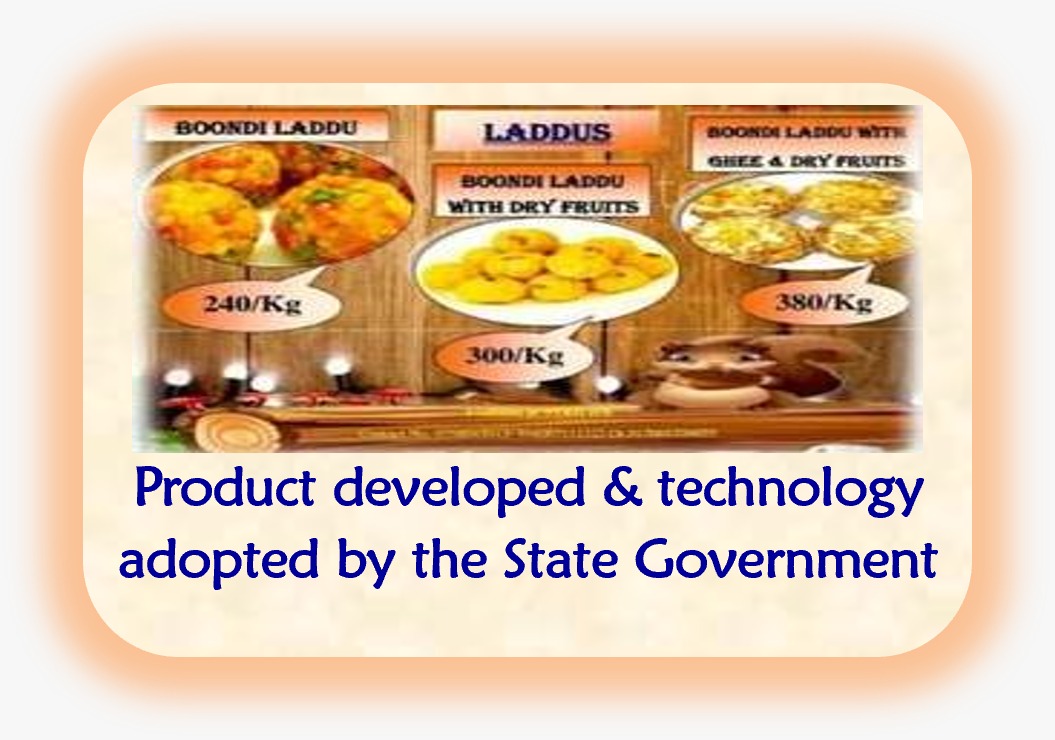
Development of Value-added Food Products
| Development of a model for comprehensive community-based management of acute malnutrition
|
AICRP on Women in Agriculture
| To adopt the management of acute malnutrition with home augmented food and its close monitoring
|
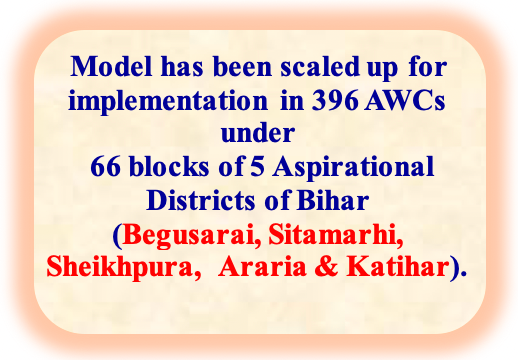
Scaling up of the model for Comprehensive Community-Based Management of Acute Malnutrition in five Aspirational districts of Bihar
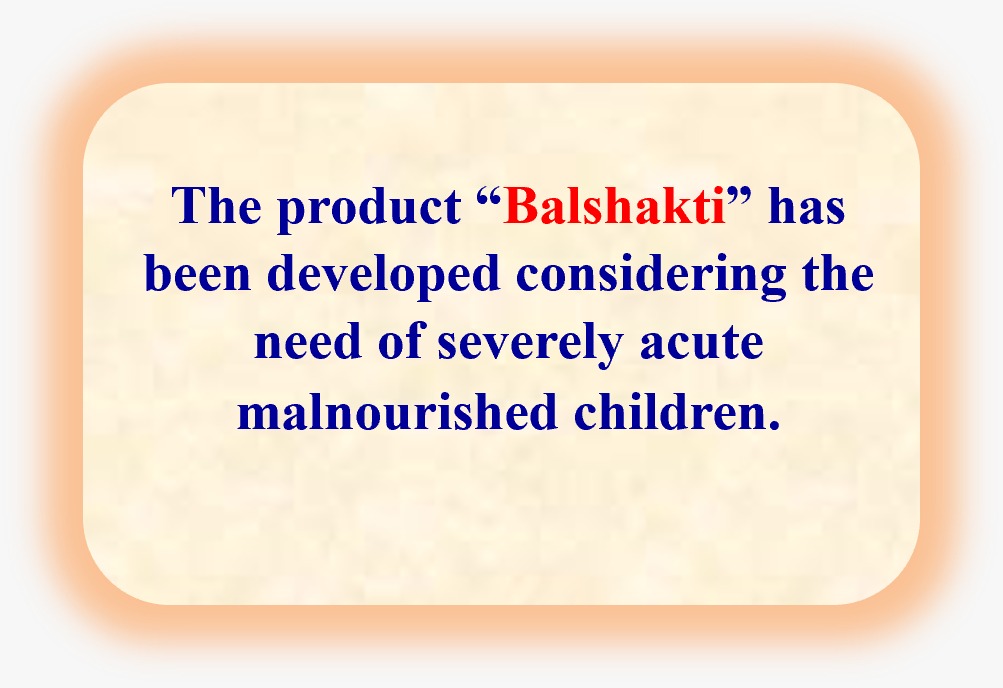
| Development of the product “Balshakti”
|
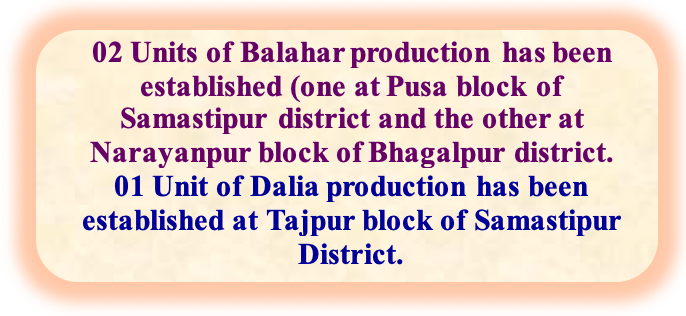
Establishment of Nutri-enterprise | |
Admission:
The eligibility for entry into the UG programs requires completion of 10+ 2 with Science/Mathematics. The students will be admitted as per the norms of ICAR/ SAUs/CAUS. Admission in Community Science will be possible through CUET-UG (Common University Entrance Test-Under Graduate) and for admission in Post graduate programme will be through ICAR-AIEEA (PG) and All India competitive Examinations (AICE)- JRF/SRF (Ph.D.).
Degree Programmes:
Programme | Discipline | Year of start | Intake Capacity | Eligibility criteria for admission |
Bachelor of Science | Community Science | 1982 | 40 | · (10+2) passed with science subjects. · Minimum 50% marks in class 10+2 is mandatory. |
Food Nutrition and Dietetics | 2024 | 30 | ||
Master of Science | Food & Nutrition (F&N) | 1999 | 05 | · Four-year graduation in relevant subjects from SAU/CAU. |
Extension Education and Communication Management (EECM) | 1999 | 05 | ||
Resource Management and Consumer Science (RMCS) | 2014 | 05 | ||
Apparel and Textile Science (ATS) | 2020 | 08 | ||
Doctor of Philosophy | Food & Nutrition (F&N) | 2020 | 02 | · Four-year graduation and two-year post-graduation in relevant subjects from SAU/CAU. |
Academic System
The semester system follows at the college. An academic year consist of two semester which starts from July to June. The first semester typically begins in the last week of July and ends at the first week of December, whereas the second semester begins in the first week of January and concludes at the second week of May. The Academic Calendar (Calendar of Academic Events) issued by the Registrar’s Office is adhered to. The academic schedule is released well before the semester begins. The 1st year of the programme will be having the foundation, introductory and skill enhancement courses. The 2nd year will be having basic core courses with some more options for skill enhancement. The 3rd year of the programme will have advanced core and elective courses as well as advanced skill enhancement through internship.
There will be exit options after 1st year and 2nd year for UG-Certificate and UG Diploma with ten weeks internship after the 1st year (2 semester) and 2nd year (4 semesters), respectively.
Scholarships:
- Under Graduate Programme:
Type of Scholarship
Amount /Month
National Talent Scholarship (ICAR) (for outside Bihar Students)
Rs. 3000/-
Govt. of Bihar Scholarship (for Bihar Domicile Students)
Rs 2000/-
Book Grant (for Bihar Domicile Students): will be reimbursed to the students on production of cash memo for purchase of textbooks and other reading materials recommended by the course instructor.
Rs 6000/Year
- Master Degree Programme:
Type of Scholarship
Amount /Month
National Talent Scholarship (ICAR) (for outside Bihar Students)
Rs. 5000/-
ICAR PG scholarship
Rs.12,640/-
Govt. of Bihar Scholarship (for Bihar Domicile Students)
Rs 3000/-
- Ph.D. Programme:
Type of Scholarship
Amount /Month
ICAR- JRF/SRF
Rs.31,000/- for the 1st and 2nd years (JRF) and Rs.35,000/- for the 3rd year (SRF),
Contingency
Rs 10,000/year.
- Other Fellowship and Financial Support:
- CSIR/DBT Fellowship
- Respective State Specific Scholarship/Fellowship
- Kanya Utthan Yojana (Bihar)
- Category Specific Scholarship/ Fellowship
- DST Inspire Fellowship
- UGC Junior Research Fellowship (JRF)
- ICSSR Doctoral Fellowships
EXTENSION
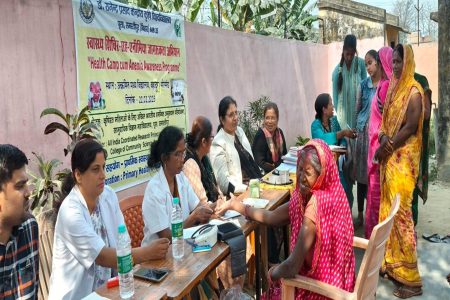
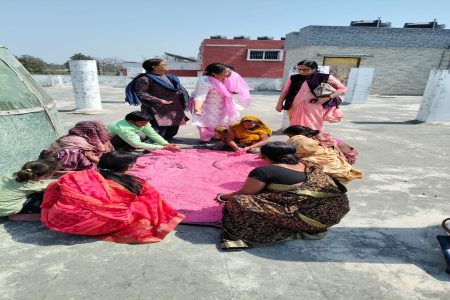
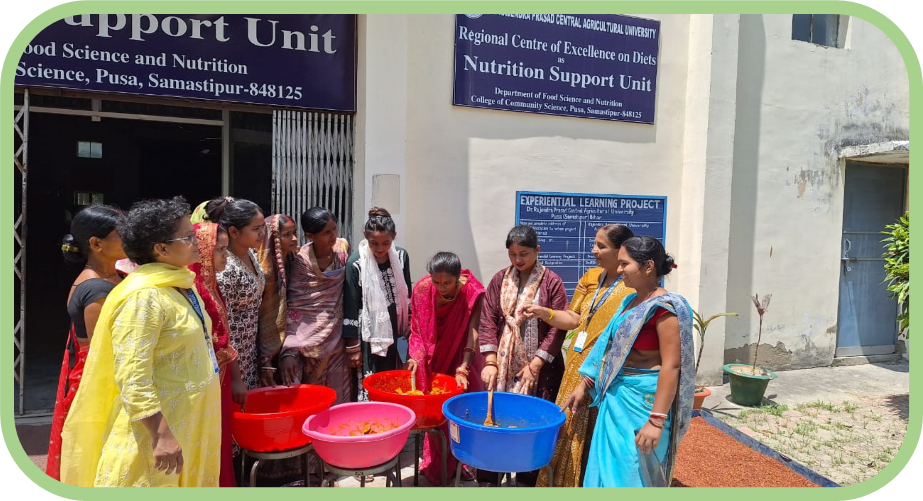
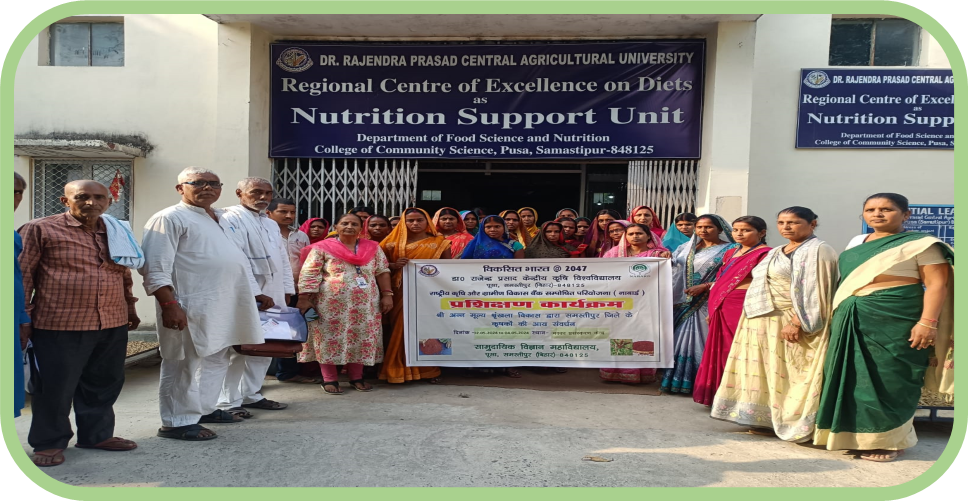
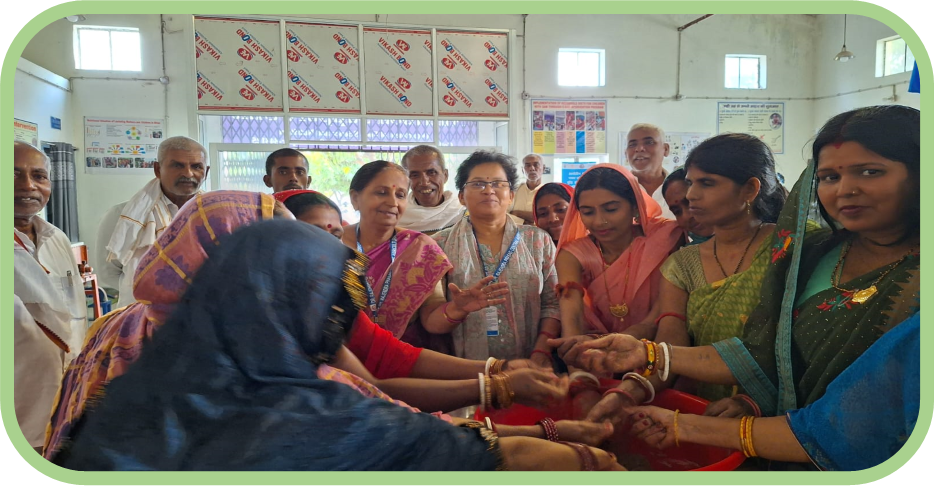
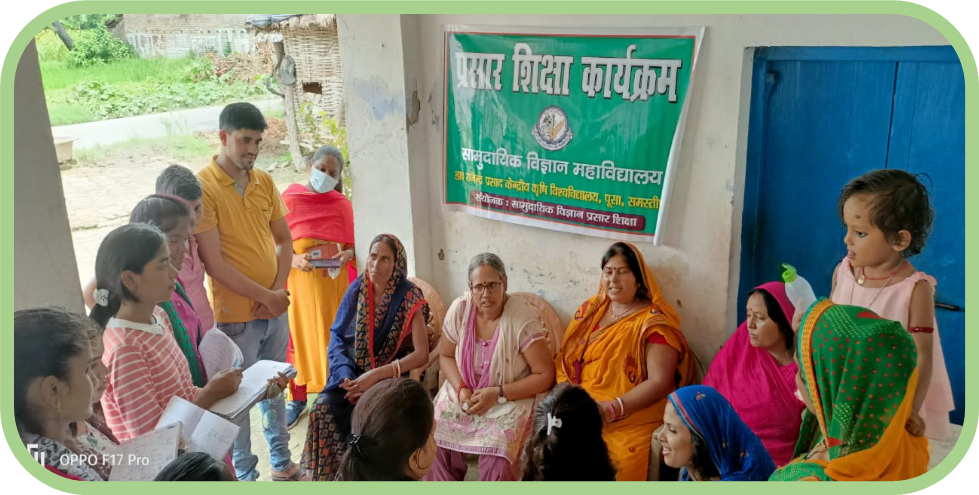
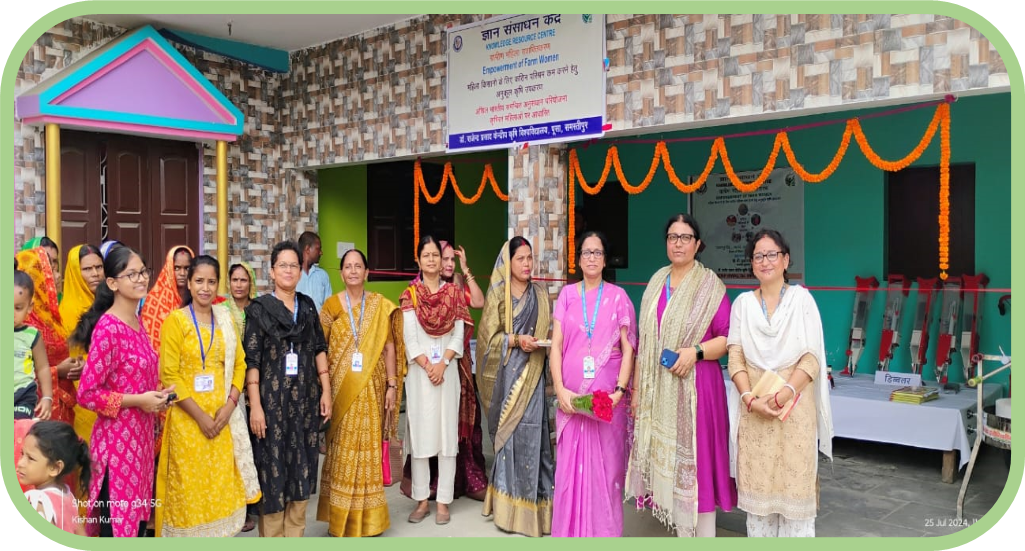
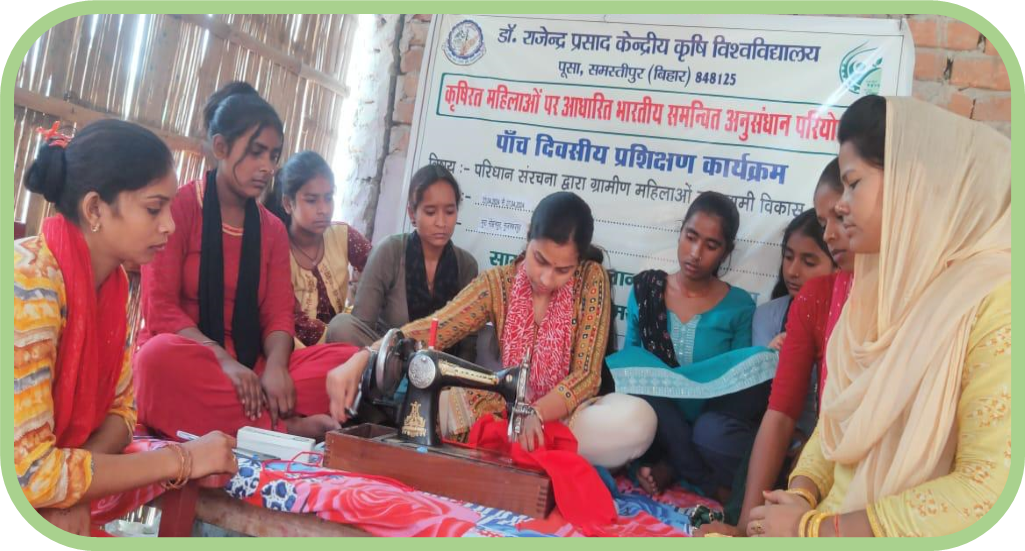
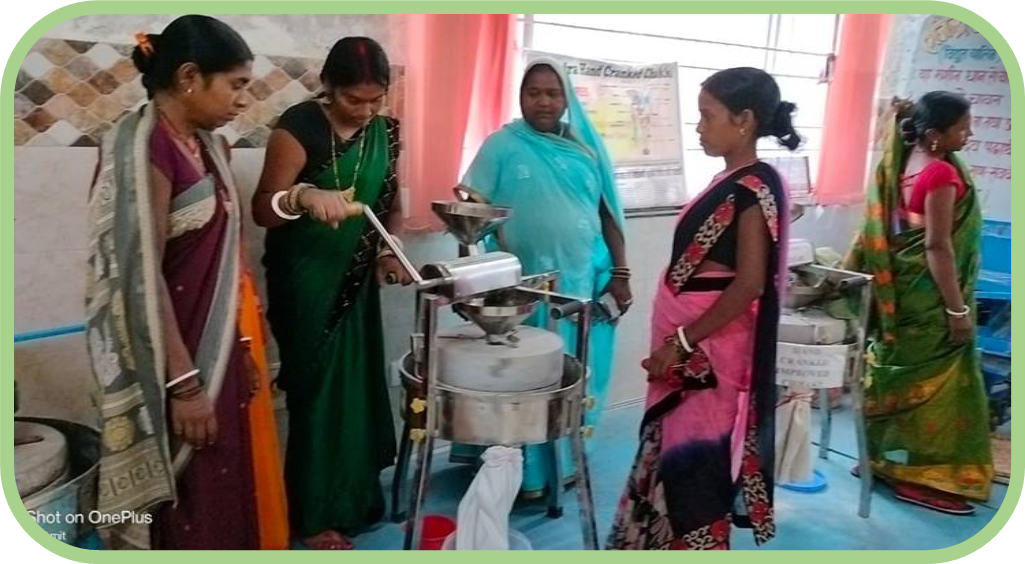
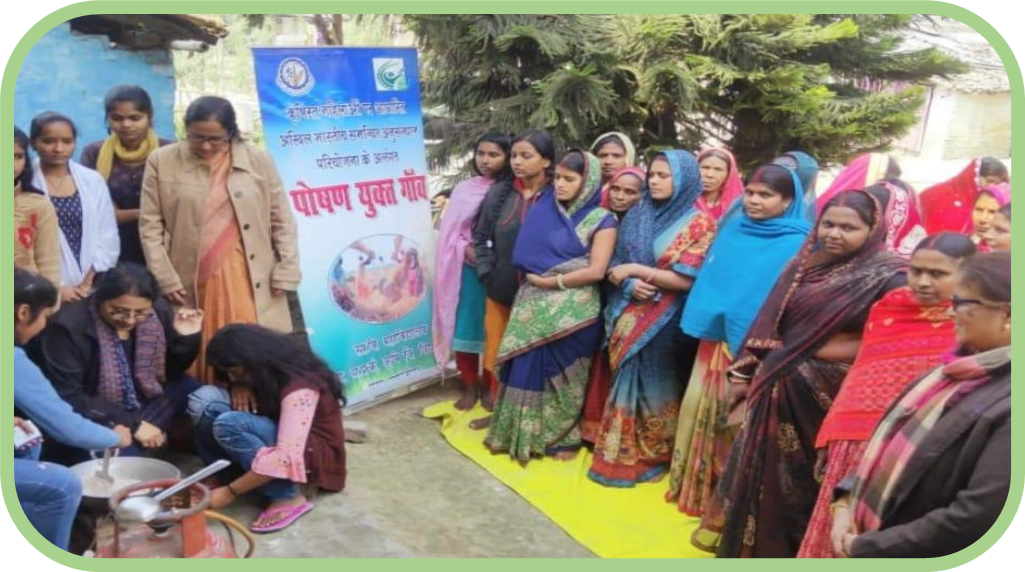
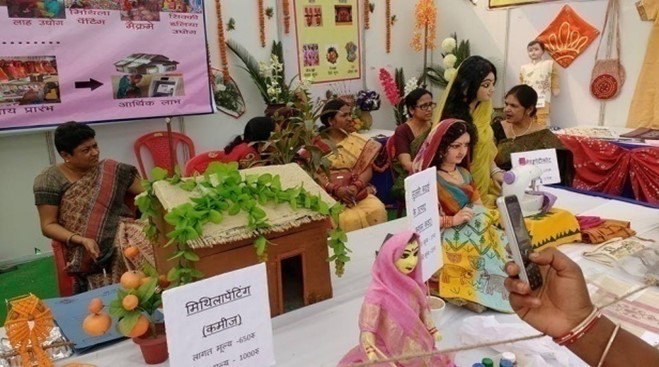
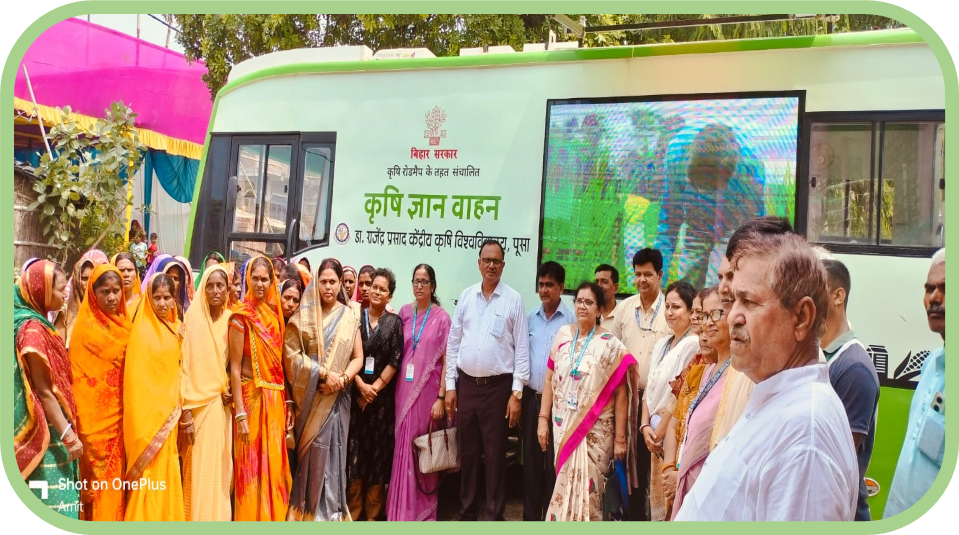
Skilled Training Program of Farm women/Rural Youth/Awareness Programme in villages and participation in Mela
 |  |
 |  |
 |  |
 |  |
 |  |
Infrastructures:
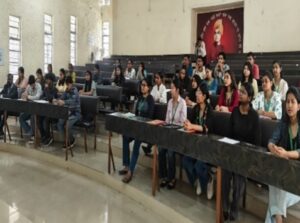 | 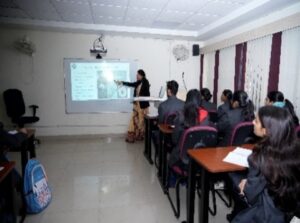 | 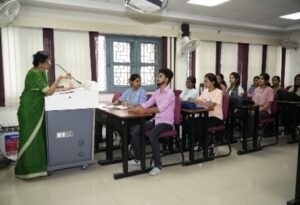 |
Smart Lecture Room Cum Auditorium | Smart Class Room | Smart Class Room |
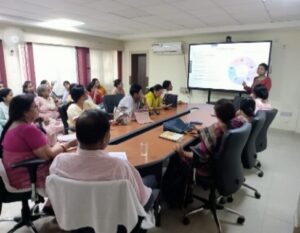 | 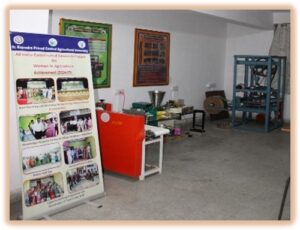 | 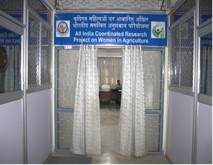 |
Committee Room with Video Conferencing | Apparel & Textile Design | AICRP on WIA |
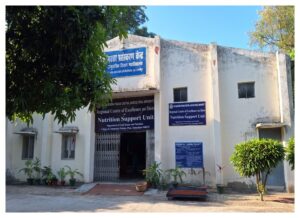 | 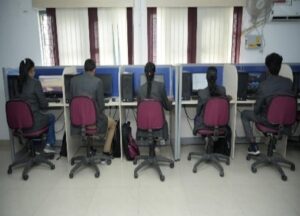 |  |
Maize Processing Centre | Computer Laboratory | Nursery Laboratory School |
 | 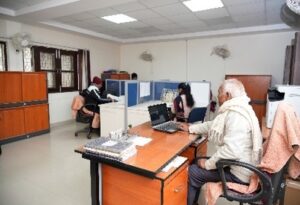 | 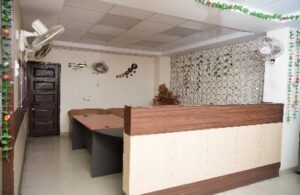 |
Academic Cell | Administrative Room | Visitor’s Room |
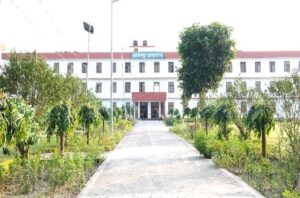 | 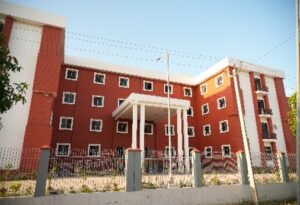 | 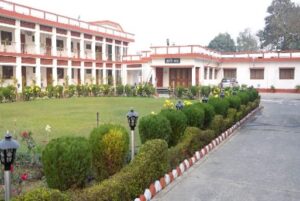 |
Aryabhatta Girls Hostel | Vikramshila Boys Hostel | University Guest House |
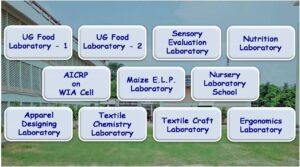
Name of Laboratories:
Maize Processing Unit
Introduction:
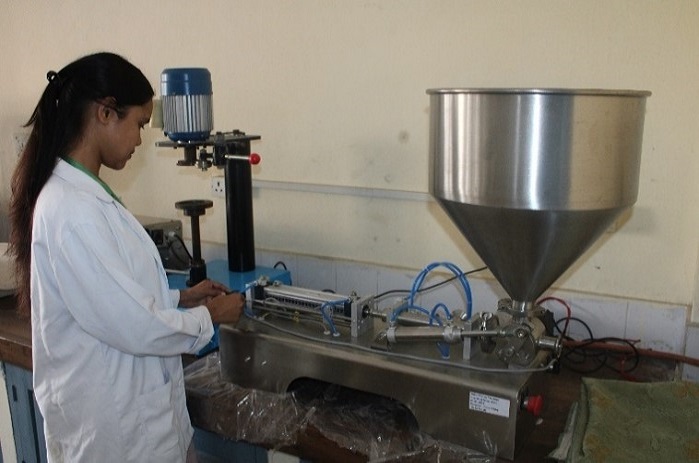
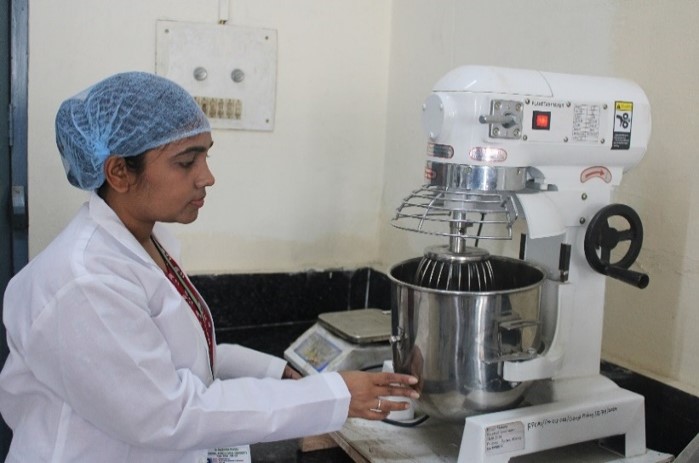
The Food Science and Nutrition department under Community Science, at Dr. Rajendra Prasad Central Agricultural University (RPCAU), Pusa, is having a well-equipped Processing Unit aimed at supporting research, training and extension activities related to food processing and value addition. This unit plays a crucial role in enhancing the post-harvest value chain and promoting food and nutritional security, rural entrepreneurship and community development. Through its infrastructure and outreach, the unit serves as a practical platform for students, researchers and farmers to gain hands-on experience in modern food processing techniques
Objective:
The primary objective of the Processing Unit is to facilitate the development, demonstration and dissemination of food processing technologies that can improve the shelf life, quality and marketability of agricultural produce. In addition to promoting safe and nutritious food production, the unit aims to:
- Empower farm women through skill development and income-generating activities.
- Facilitate entrepreneurship development by training rural youth and self-help groups in food processing techniques.
- Address issues of malnutrition and micronutrient deficiencies through various ongoing projects focusing on developing nutritionally enriched food products.
- Bridge the gap between agricultural production and food consumption through value addition, thereby supporting sustainable rural livelihoods.
This integrated approach supports the broader goals of women empowerment, community health improvement and rural economic development.
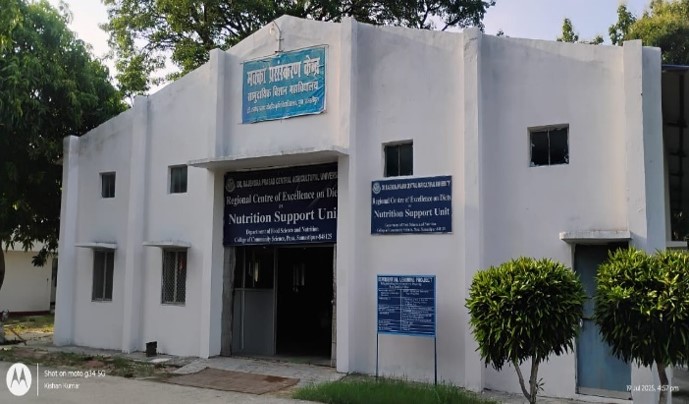 | 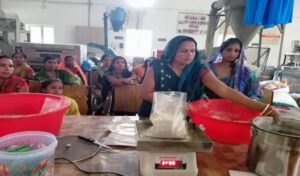 |
Maize Processing Centre | Food processing training |
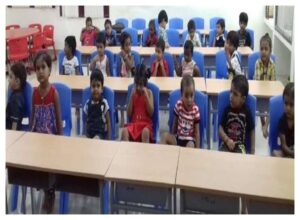
Laboratory Nursery School:
Introduction:
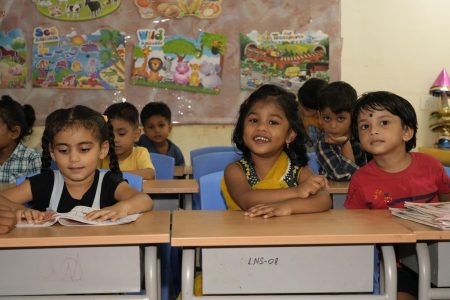
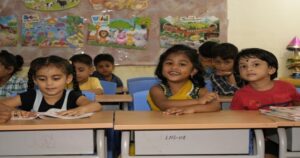
The College runs a Laboratory Nursery School with 30 little kids on rolls, under the department of Human Development and Family Studies.
The Earliest years of life are a crucial and foundational period in the human lifespan. At our Nursery Laboratory, it offers a nurturing environment where children begin their journey through motor, cognitive, social and emotional growth, through guided observation, playful stimulation and developmentally appropriate activities.
This Nursery school act as living laboratory for undergraduate and research students in fields of child development and family studies by providing hands-on experience and observation opportunities for quality research. Simultaneously, for university women employees, on site playschool offers accessible childcare, enabling better work life balance, reduced absenteeism and enhanced career continuity.
Objective:
• To encourage play-based, developmentally appropriate activities that promote social, emotional,
physical and cognitive growth.
• To make it possible for prompt screening for behavioural issues and developmental delays, together
with access to professional advice and assistance.
• To bridge theory and practice by giving students access to real-world environments where they can
watch, evaluate and engage with children.
• To instruct students in curriculum development, classroom administration, developmental
assessment and child mentoring through experiential learning.
• To offer workshops, counselling and training to improve family well-being and parenting techniques.
• To provide on-site quality childcare options to university employees.
This multifunctional setting empowers women while creating a supportive environment for kids.
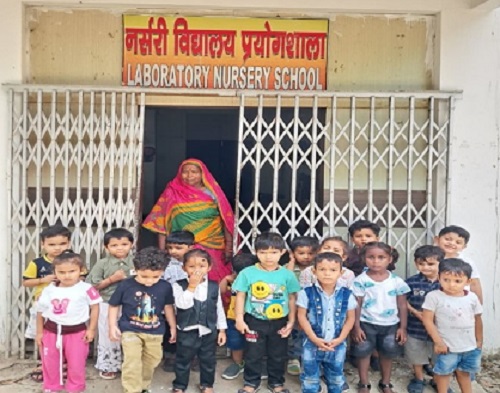 | 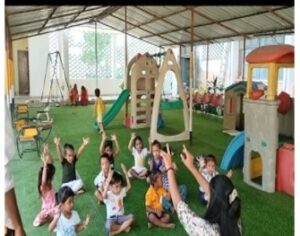 |
Laboratory Nursery School | Children’s Activity |
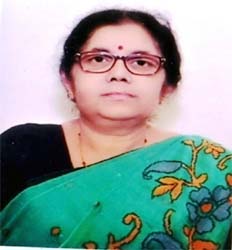
Dr. Usha Singh
Dean, CCS
dean.cs@rpcau.ac.in | View Profile
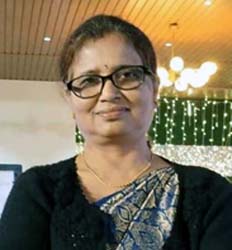
Dr. Savita Kumari
Associate Professor-cum-Sr. Scientist & Head
M- 7543041369 Email- savita.kumari@rpcau.ac.in head.fns@rpcau.ac.in | View Profile
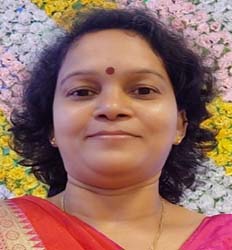
Dr. Gitanjali Chaudhary
Associate Professor-cum-Sr. Scientist
M- 9801011596 Email- gitanjali@rpcau.ac.in | View Profile
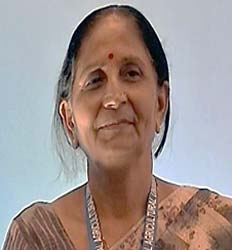
Dr. Neelam Kumari
Assistant Professor-cum- Scientist
M- 7352312682 Email- neelam.kumari@rpcau.ac.in | View Profile
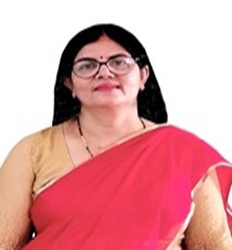
Dr. Kumari Sunita
Assistant Professor-cum- Scientist
M- 8789726056 Email- kumari.sunita@rpcau.ac.in | View Profile
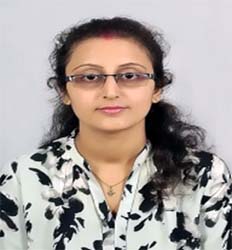
Dr. Anugya Bharti
Assistant Professor-cum- Scientist
M- 9536447307 Email- anugya.bharti@rpcau.ac.in | View Profile
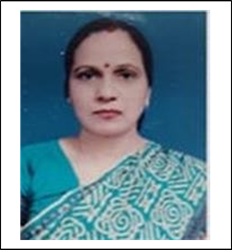
Dr. Shishir Kala
Professor & Head
M- 9771036882 Email- shishir.kala@rpcau.ac.in head.frm@rpcau.in | View Profile

Miss Alinda Kashyap
Assistant Professor cum Scientist
M- 8638759296 Email- alinda.kashyap@rpcau.ac.in | View Profile
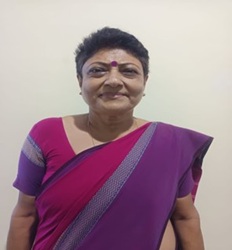
Dr. Punam Kumari
Professor cum-chief Scientist
M- 8084140730 Email- drpunamkumari@rpcau.ac.in | View Profile
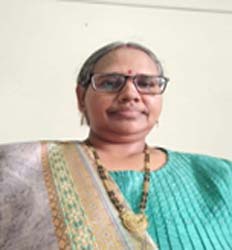
Dr. Mala Kumari
Assistant Professor -cum- Scientist
M- 6207960430 Email- mala.kumari@rpcau.ac.in | View Profile
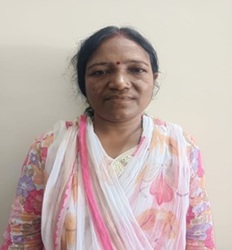
Dr. Kumari Shipra
Assistant Professor-cum- Scientist
M- 9473248034 Email- shipra.kumari@rpcau.ac.in | View Profile
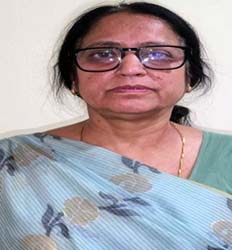
Dr. Sangeeta Deo
Professor
M- 9934255866 Email- sangeeta.deo@rpcau.ac.in | View Profile
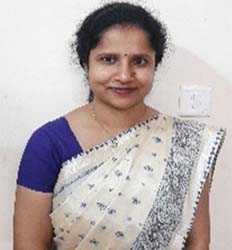
Dr. Gayatri
Assistant Professor
M- 9458940774 Email- gayatri@rpcau.ac.in | View Profile
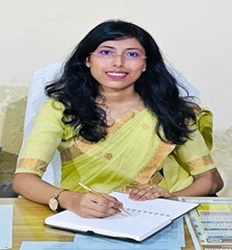
Rubi Pranjana Tamuli
Assistant Professor
M- 8472091516 Email- rubipranjanatamuli@rpcau.ac.in | View Profile
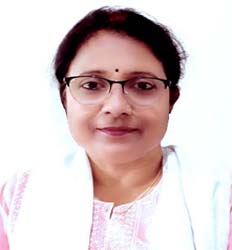
Dr. Veena Shahi
Professor& Head
M- 9431426347 Email- veena.shahi@rpcau.ac.in head.hdfs@rpcau.ac.in | View Profile
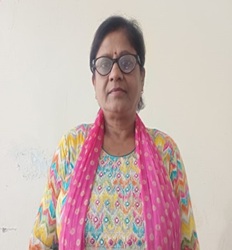
Dr. Seema Pradhan
Assistant Professor cum Scientist
M- 9110951461 Email- seema.pradhan@rpcau.ac.in | View Profile
Job Opportunities:
Food Science & Nutrition
 |  |
|
|
| |
Extension Education & Communication Management
 |
|
| |
Resource Management & Consumer Science
 |  |
| |
| |
Apparel and Textile Science
 |  |
|
|
|
|
|
|
|
|
|
|
|
|
|
|
|
|
|
|
|
|
|
Human Development & Family Studies
 |  |
| |
| |
Where Alumni Goes:
- For Higher Studies
– SAU, CAU, CU, CFTRI, NIN, IITs, TISS, NIFTEM
- Employment/Placement
- Work at Government Sector
- Work at Private Sector
- NGOs
- Self-Enterprises
Department of Human Development and Family Studies
Human Development and family studies focus on the physical, cognitive, social and emotional development of individuals and families across the life span. The department of Human Development and Family Studies College of Community Science RPCAU offers only undergraduate courses since the inception of College of Home science in year 1982 which has been now renamed as college of Community Science in year 2017 by the approval of 5th Deans Committee Report.
Besides UG Courses department established a Laboratory Nursery school in 1987 with objective to strengthened the hands-on training of UG student and research in early childhood development Care and education and management. The PG program in the department has been approved by university’s academic council in principle. It will be started after appointment of faculty, which is in process.
Thrust Areas in Research & Extension:
- Early childhood care, Education and Management
- Child, Adolescence and Family Counselling
- Developmentally challenges in children and their families
- Health related issues in lifespan development
- Genetic and environmental influence on development aspect.
Based on these above thrust areas vision for coming 10 years been formulated to conduct the Research and Extension activities in the department.
Mandate:
- Focusing on the physical, cognitive, emotional, and social growth of individuals from prenatal (conception) to old age.
- Providing scientific knowledge to strengthen the family as the fundamental unit of society.
- Translating laboratory research into community-based programs for vulnerable groups like children, women and elderly.
- Preparing students for careers in ECCE (Early Childhood Care and Education) align with NEP.
- Preparing students for careers in counselling, and social welfare.
Short term plan:
- Strengthening of Lab Nursery school by extension of another wing (LKG) to help the M. Sc student in these research work and hand’s on training in the field of Early childhood Education and Management.
- Development of study material for Early child hood Education care and Management,
- Technical know-how to Anganwadi workers and Supervisors in Maternal chid health and nutritional care.
- One-month vocational training course in Development of Study material for Early childhood Education & Publication of Extension literature & Extension bulletins for farmers
- Knowledge up gradation of Adolescent boys and girls for maintaining their health, hygiene along with environmental sanitation and providing solutions.
Long term plan:
- Assessment of the status of Community in social hygiene and health related problems and improving the same to cope up with any pandemic situation.
- Strengthening the department by increasing research activities in health and behaviour related problems among children, Adolescence and old age community.
- Initiative to open the counselling centre for child and family in department as well as in nearby community centre.
Faculty Profile
The faculty members of department of Human Development and Family Studies, College of Community Science are well qualified and experienced. Most of them have their highest degree from the institutions of National/International repute. All are very sincere, hardworking and dedicated to the academic profession. In addition, few faculties have also been honoured for their best performance in teaching/research/extension activities.
Sl. No. | Name of Faculty | Photograph | Position | Educational Qualification | Specialization |
1. | Dr. Veena Shahi | 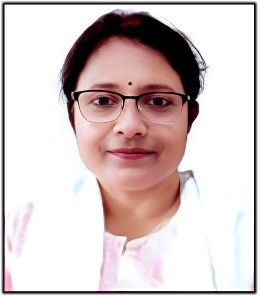 | Professor and Head | Ph.D. | Human Development and Family Studies |
2. | Dr. Seema Pradhan |  | Assistant Professor | Ph.D. | Home Science |
3. | Mr. Shankar Kumar Mallik | 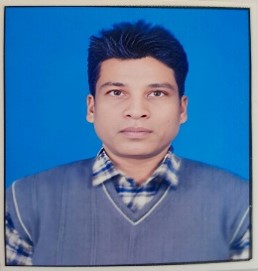 | Senior Technical Assistant | 10+2 | Arts |
4. | Mr. Nirvikar Shahi | 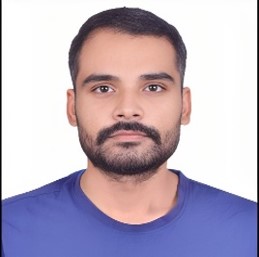 | Technical Assistant | M.Sc. | Human Development and Family Studies |
5. | Mrs. Paniya | 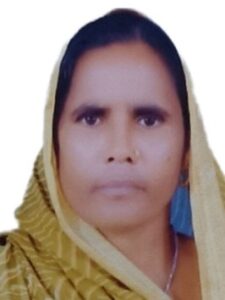 | Skill Supporting Staff |
Teaching:
Academic Programmes: –
S. No. | Courses Programme | Duration of Programme |
1. | Undergraduate | Eight Semester |
2. | *Post Graduate | Four Semester |
*Not yet started, it is in process.
Semester Wise Distribution of Courses: –
S. No. | Course Title | Course No. | Credit Hrs. | Semester |
1. | Childhood Development | CHD – 111 | 3((2+1) | I |
2. | Theoretical Approaches to Parenting | CHD – 121 | 2((2+0) | II |
3. | Early Childhood Education | CHD – 211 | 3((2+1) | III |
4. | Theories and Practices in Early Childhood Education | CHD – 221 | 2((2+0) | IV |
5. | Adolescent Development | CHD – 311 | 3((2+1) | V |
6. | Adulthood Development | CHD – 312 | 2((1+1) | V |
7. | Marriage and Family Dynamics | CHD – 321 | 3((2+1) | VI |
8. | Elective Course | VII | ||
Developmental Challenges in Children | CHD – 411 | 3((2+1) | ||
Method sand Materials for Teaching Young Children | CHD – 412 | 3((1+2) | ||
Computer application in ECCE | CHD – 413 | 3((1+2) | ||
Guidance and Counselling | CHD – 414 | 3((2+1) | ||
Parent Education and Community welfare Programs | CHD – 415 | 3((2+1) | ||
Research Methodology | CHD – 416 | 3((2+1) | ||
Statistical Methods | CBS – 411 | 2((1+1) |
ELP Laboratory:
Experiential learning provides the student’s excellent opportunities to develop analogical and entrepreneurship skills and knowledge though meaningful hands-on experience, confidence in these abilities to design and execute project work on early childhood care and Education and Management under Module-2 Community Nutrition and welfare.
The specific objectives behind running the ELP under Human Development and Family studies department are:
- To promote professional skills and knowledge of Students through meaningful hands-on experience.
- To build the confidence of student to work in project mode.
- To acquire enterprise management capabilities.
Research:
S. No. | Title of Projects | Funding Agency | PI and Co-PI |
1. | Assessment of physical and psychosocial well-being of elderly population in aspirational districts of North Bihar | University Funded | Dr. Veena Shahi |
2. | Assessment of early childhood education on growth and development of preschool children of farming community | University Funded | Dr. Seema Pradhan |
Research Paper, Review papers and Article published
Review Paper |
|
E- Article |
|
E-Magazine Articles |
|
Departmental Facilities:
- Smart Class-Rooms:
The department of Human Development and Family Studies includes adequate number of smart class-rooms for delivering the lectures to the students. There is one smart classroom in the department equipped with sufficient number of seating arrangements and air conditioning to ensure a healthy and comfortable learning environment.
- Laboratory Nursery School:
The Human Development and Family Studies Department has an impressive psych-scientific laboratory setting of Nursery School, the objective of the Nursery School is to meet total development of the child in the age group of 3 years ±3 months where U.G. students undergoing Human Development & Family Studies courses can carry on study on the general growth and development pattern of children. The school children are engaged in a weekly schedule which is full of language, art, music, games & 3 R-S activities for overall development.
Department of Resource Management and Consumer Science
College of Community Science
Dr. Rajendra Prasad Central Agricultural University, Pusa, Bihar
Resource Management and Consumer Science focus on the effective utilization and management of resources to improve the quality of life of individuals and families, along with promoting consumer welfare and education. The Department of Resource Management and Consumer Science, College of Community Science, RPCAU, has been offering undergraduate courses since the establishment of the College of Home Science in 1982, which was renamed as the College of Community Science in 2017 following the approval of the 5th Deans’ Committee Report.
The department is actively involved in teaching, research, and extension activities related to resource management, housing, ergonomics, interior design, and consumer affairs. In addition to the undergraduate programme, the department has been offering a Postgraduate (M.Sc.) programme since 2014, providing opportunities for advanced learning and research while contributing to the development of competent professionals and researchers in the field.
Thrust area in Research
- Ergonomics and occupational health for women in home, farm, and allied activities.
- Development and promotion of women-friendly tools and drudgery-reducing technologies.
- Family resource management for efficient utilization of time, money, energy, and materials.
- Consumer awareness, consumer rights protection, and responsible consumer behaviour.
- Financial literacy, household economics, and economic empowerment of families.
- Housing, interior design, and sustainable space planning.
- Renewable energy utilization and energy-efficient household technologies.
- Women entrepreneurship, skill development, and livelihood generation.
- Environmental resource management, waste management, and sustainable living practices.
- Technology development, assessment, and transfer for rural and farming communities.
Mandates
- Promote efficient management of human, financial, material, and environmental resources for improving quality of life.
- Advance research and innovation in ergonomics, workplace design, and women-friendly technologies.
- Strengthen consumer awareness, financial literacy, and responsible decision-making among individuals and families.
- Develop entrepreneurial skills and livelihood opportunities for women, youth, and rural communities.
- Generate and transfer sustainable technologies and practices for household, farm, and community development.
Short-Term Plans
- Strengthen ergonomics research focusing on farm women and rural households.
- Organize regular training programmes on entrepreneurship, financial literacy, and consumer awareness.
- Upgrade Ergonomic and Interior Design laboratories with modern equipment and software.
- Enhance industry and institutional linkages for student internships and placements.
- Increase research publications and funded projects in emerging areas of Resource Management and Consumer Science.
Long-Term Plans
- Establish a Centre of Excellence in Ergonomics and Human Factors Research.
- Develop and commercialize women-friendly technologies for home, farm, and allied sectors.
- Achieve national recognition as a leading department in Resource Management and Consumer Science.
- Strengthen international collaborations for research, academic exchange, and capacity building.
- Create a comprehensive Resource Management Innovation Hub for entrepreneurship, technology transfer, and community development.
Faculty Profile
The faculty members of department of Resource Management and Consumer Science, College of Community Science are well qualified and experienced. Most of them have their highest degree from the institutions of National/International repute. All are very sincere, hardworking and dedicated to the academic profession. In addition, few faculties have also been honoured for their best performance in teaching/research/extension activities.
Sl. No. | Name of Faculty | Photograph | Position | Educational Qualification | Specialization
|
1. | Dr. Shishir Kala |  | Professor & Head, | Ph.D. | Expertise in Ergonomics, consumer education, resource Management. |
2. | Ms. Alinda Kashyap | 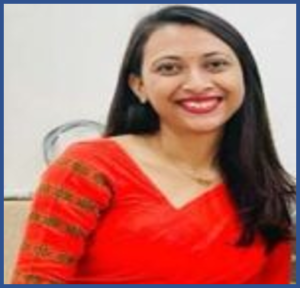 | Assistant Professor | M Sc. | Expertise in Ergonomics, consumer education, interior designing, hospitality management, resource Management. |
3. | Ms. Nisha Kumari | 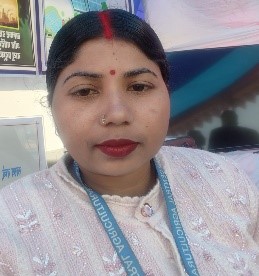 | Senior Technical Assistant | B.Sc. | Home Science |
Teaching:
Sl. No. | Course Programme | Duration of Programme |
1. | Undergraduate | Eight Semester |
2. | Postgraduate | Four Semester |
Semester Wise Distribution of Course
Undergraduate Core Courses | ||||
S. No. | Semester | Course No | Course Title | Credit Hours |
1. | Ist | CRM-111 | Fundamentals of Art and Design | 2(1+1) |
2. | IInd | CRM-121 | Fundamentals of Ergonomics | 2(1+1) |
3. | IIIrd | CRM-211 | Computer Aided Interior Designing-I | 3(1+2) |
4. | IVth | CRM-221 | Housing and Space Management | 3(1+2) |
5. | Vth | CRM-311 | Consumer Education | 3 (1+2) |
6. | VIth | CRM-321 | Principles of Management | 2 (2+0) |
7. | VIth | CRM-322 | Computer Aided Interior Designing-II | 3 (0+3) |
Total- 18 (7+ 11) | ||||
Skill Enhancement Course | |||||
S. No. | Semester | Course No | Course Title | Credit Hours | Credit Hours |
1. | Ist | Module-I | CSE-115 | House Keeping and Service Management- (SEC-I) | 2(0+2) |
2. | Ist | Module-I | CSE-116 | Floral Art and Design- (SEC-II) | 2(0+2) |
3. | IInd | Module-II | CSE-125 | Housekeeping and Service Management-II (sec-III) | 2(0+2) |
4. | IInd | Module-II | CSE-126 | Event Planning and Management (SEC-VI) | 2 (0+2) |
5. | IIIrd | Module-III | CSE-215 | Interior Designing and Decoration-I (SEC-V) | 1(0+1) |
6. | IIIrd | Module-III | CSE-216 | Floral Art and Design- II (SEC-VI) | 1 (0+1) |
7. | IVth | Module-IV | CSE-225 | Interior Accessories and Furnishings –(SEC-VII) | 1 (0+1) |
8. | VIth | Module-IV | CSE-226 | Interior Designing and Decoration- II (SEC-VIII) | 1 (0+1) |
Total- 12 (0+ 12) | |||||
Elective courses | ||||
S. No. | Semester | Course No | Course Title | Credit Hours |
1. | VIIth | CRM-411 | Residential and Commercial Space Design | 3 (1+2) |
2. | VIIth | CRM-412 | Colour and Lighting in Interiors | 3 (2+1) |
3. | VIIth | CRM-413 | Tourism and Hospitality Management | 3 (1+2) |
4. | VIIth | CRM-414 | Financial Management and Consumer Behaviour | 3 (2+1) |
5. | VIIth | CRM-415 | Workspace and Product Design | 3 (1+2) |
6. | VIIth | CRM-416 | Research Methodology | 3 (2+1) |
7. | VIIth | CBS-411 | Statistical Methods | 2(1+1) |
Total- 20(10+10) | ||||
Postgraduate
Course Code | Course Title | Credit hours |
MAJOR COURSES (20 Credits) | ||
RMCS 501* | Resource Management: Principles and Practices | 3(3+0) |
RMCS 502* | Human Factors and Ergonomics | 3(2+1) |
RMCS 503* | Interior Space Planning | 3(1+2) |
RMCS 504* | Consumer Economics | 3(2+1) |
RMCS 505* | Work and Work Station Design | 3(1+2) |
RMCS 506* | Colour and Lighting in Interiors | 3(2+1) |
RMCS 507* | Consumer Issues and Legislations | 2(2+0) |
RMCS 508* | Product Design | 3(2+1) |
RMCS 509* | Ergonomic Research Techniques | 3(1+2) |
RMCS 510 | Housing and Energy Efficient Building Design | 3(2+1) |
RMCS 511 | Technical Drawings | 3(1+2) |
RMCS 512 | Interior Design Business Management | 3(1+2) |
RMCS 513 | Environmental Resource Management | 2(1+1) |
RMCS 514 | Special Project | 2(0+2) |
RMCS 591 | Seminar | 1(0+1) |
RMCS 599 | Thesis / Research | 30 |
MINOR COURSE (08 Credits) | ||
FN 505 | Nutrition and Physical fitness | 3(2+1) |
FN 509 | Food Safety and Standards | 3(2+1) |
FN 513 | Human Physiology | 3(3+0) |
EECM 502 | Development Communication | 3(2+1) |
EECM 505 | Dynamic communication skills | 2(0+2) |
EECM 507 | Organizational development and HRD | 2(1+1) |
EECM 511 | Climate change management | 2(1+1) |
HDFS 503 | Methods and Techniques of Assessment in Human Development | 3(2+1) |
HDFS 506 | Management of differently abled | 3(2+1) |
ATS 512 | Apparel and Textile Product Development | 2(1+1) |
ATS 513 | Laboratory Techniques in Textiles Research | 2(0+2) |
SUPPORTING COURSES (06 Credits) | ||
EXT 504 | Research Methodology in Extension | 3(2+1) |
STAT 502 | Statistical Methods for Applied Sciences | 4(3+1) |
COMMON COURSES (05 Credits) | ||
PGS 501 | Library and Information Services | 1(0+1) |
PGS 502 | Technical Writing and Communication Skills | 1(0+1) |
PGS 503 | Intellectual Property and its Management in Agriculture | 1(0+1) |
PGS-504 | Basic Concepts in Laboratory Techniques | 1(0+1) |
PGS 505 | Agricultural Research, Research Ethics and Rural Development Programme | 1(1+0) |
RMCS- 591 | Seminar | 1(1+0) |
RMCS – 599 | Thesis/Research | 30 |
Total | 70 | |
Laboratory:
The department is equipped with specialized laboratories that support both teaching and research activities.
Ergonomic Laboratory
The Ergonomic Laboratory facilitates research on human factors, occupational health, workload assessment, workplace design, drudgery reduction, and development of ergonomically suitable technologies for rural and farming communities.
Interior Design Laboratory
The Interior Design and Decoration Laboratory provide hands-on training in space planning, furniture layout, lighting, colour schemes, interior aesthetics, and residential and commercial design solutions.
Publication
Research Paper
S. No. | Details of Article | NAAS rating |
1. | Puja Kumari, Shishir Kala and Prabhakaran (2021), “Comparative Evaluation of Exertion Perceived by the Farm Women in Maize Shelling Activity” International Journal of Advanced Engineering Management” (IJAEM), Volume 3, Issue 5, PP: 698-PP-698-702. | 7.48 |
2. | Nisha Arya, Shishir Kala, Shankar Jha and Alinda Kashyap (2021) “Assessment of Knowledge and Practices towards Household Waste Management through Vermicomposting technology among residents of RPCAU, Pusa”, Journal of Global Communication. Vol.14, No.1, L. No. dated 09.058.2021 | – |
3. | Sonam, Shishir Kala and Prabhakar (2021) “Constraint Analysis in Mushroom Cultivation among Women Mushroom Cultivators in the State of Bihar, India”, Journal of Advances in Management, Volume 14 (2), PP: 7-11. | 2.05 |
4. | Rambha Kumari and Shishir Kala (2021) “Sustainability of Women in Microenterprises for their Livelihood Security in Bihar,” International Journal of Multidisciplinary Educational, Research, Vol.-10, Issue 7 | 7.816. |
5. | Nisha Arya and Shishir Kala (2021) “Assessment on the Economic and Environmental Benefits of Household Waste Management through Vermicomposting’’. International Advanced Research Journal in Science, Engineering and Technology, Vol. 8, Issue 12, | 4.00 |
6. | Anushka Tiwari, Sasmita Dandasena and Shishir Kala (2021) “To study the Socio-economic and anthropometric Profile of the Rural Female Workers” The Pharm Innovation Journal, SP- 10(8), PP 1208-1210. | 5.23. |
7. | Sasmita Dandasena and Shishir kala (2022), “Effect of Computer Usage on the Health of Computer Users at Dr. RPCAU, Pusa, Bihar,” Applied Ergonomics, accepted for publication vide L.No. Jerg-D-21-cc.454. | |
8. | Aelena Takhellambam, Shishir Kala, Sadanand Prasad Lal, Manorama Devi and Sasmita Dandasena (2022), “Comparative study of online and offline shopping Behaviour among Under girl students, Asian Journal of Agricultural Extension, Economics & Sociology, 40 (11), PP-484-489,. | 4.86 |
9. | Aelena Takhellambam & Shishir Kala etal. (2022) “Comparative Study of online and offline shopping Behaviour among Undergraduate girl students.” Asian Journal of Agricultural Extension, Economics & Sociology. Vol-40, (11). | – |
10. | Sasmita Dandasena, and Shishir kala (2023), “Work Environment Assessment of Computer Users: An Ergonomic Perspective” Accepted for publication in the Journal of “Interventional Journal of Industrial Ergonomics,” | 8.66. |
11. | Alinda Kashyap, Shishir kala, Manorama Gupta. Dipankar Sakia (2023), “Occupational Factors of Women Tea Pluckers of Assam” Accepted for Publication in the International Journal of Agriculture Extension and Social Development, New Delhi-110085, India. | – |
12. | K.M Bachana, Dr. Shishir Kala, Neha Sanwal, Madan Lal and Dr. S.P. Lal, (2025) “The Psychological impact of Covid-19 on Uttar Pradesh & healthcare workers in India” Frontline Fatique, Journal of Scientific Research and Reports, Peer reviewed and referred Journal, Volume-31, Issue-3. | – |
13. | Arya, N., Kala, S., Jha, S., & Kashyap, A. (2021). Assessment of knowledge and practices towards household waste management through vermicomposting technology. Journal of Global Communication, 14(1), 1–6. | – |
14. | Kashyap, A., Kala, S., Devi, M., & Saikia, D. (2024). Influence of occupational factors among women tea pluckers of Assam. International Journal of Agriculture Extension and Social Development, 7. | – |
15. | Kashyap, A., & Saraswat, S. (2024). Opinion of youth towards green advertisements and their environmentally responsible behaviour. International Journal of Environment and Climate Change, 14. | – |
16. | Kashyap, A., & Saraswat, S. (2024). Analyzing consumer behaviour: Factors affecting impulse buying for specific consumer goods. The Indian Journal of Home Science, 36(1). | – |
List of Books
S. No. | Name of the Author & year | Title of Books | Publisher |
1. | Dr. Shishir kala (2022) | BASICS OF ERGONOMICS | Academic Guru Publishing House |
2. | Dr. Shishir kala (2024) | FUNDAMENTALS OF ART CRAFT AND DESIGN | A.K International Publication |
Book Chapter
S. No. | Name of the Author & year | Title of Books | Publisher
|
1. | Nikhat Parveen and Dr. Shishir kala and Richa Kumari (2023) | Digital Marketing |
|
2. | Dr. Shishir kala (2023) | EFFECTIVENESS OF ENTREPRENEURSHIP TOWARDS SOCIAL MEDIA EMPOWERMENT OF WOMEN AND CHALLENGES FACED BY THEM |
|
3. | Alinda Kashyap, Dr. Shilpi Saraswat (2022) | Perceived physiological problems experienced by university students while working on computer |
|
4. | Dr. Sarjoo Patel, Ms. Smita, Ms. Alinda Kashyap (2023) | Family and Community Resource Management and SDGs |
|
5. | Asha Rani, Dipankar Saikia, Rodali Duarah, Karishma Borah, Priyanka kakati, Eimon Bharadwaj and Alinda Kashyap (2025) | Millets for Nutritional Security |
|
Departmental Facility
- Class Rooms: One Smart classroom equipped with projector in the department are available for delivering the lectures using ICT by the faculty for PG classes. The other additional arrangements are being made with advance facilities in the campus for delivering the lectures to the students.
- Laboratories: The department has 02 (Two) well equipped laboratories catering the needs of undergraduate and postgraduates teaching and research work
Ergonomic Laboratory
The Ergonomic Laboratory facilitates research on human factors, occupational health, workload assessment, workplace design, drudgery reduction, and development of ergonomically suitable technologies for rural and farming communities.
Interior Design Laboratory
The Interior Design and Decoration Laboratory provide hands-on training in space planning, furniture layout, lighting, colour schemes, interior aesthetics, and residential and commercial design solutions.